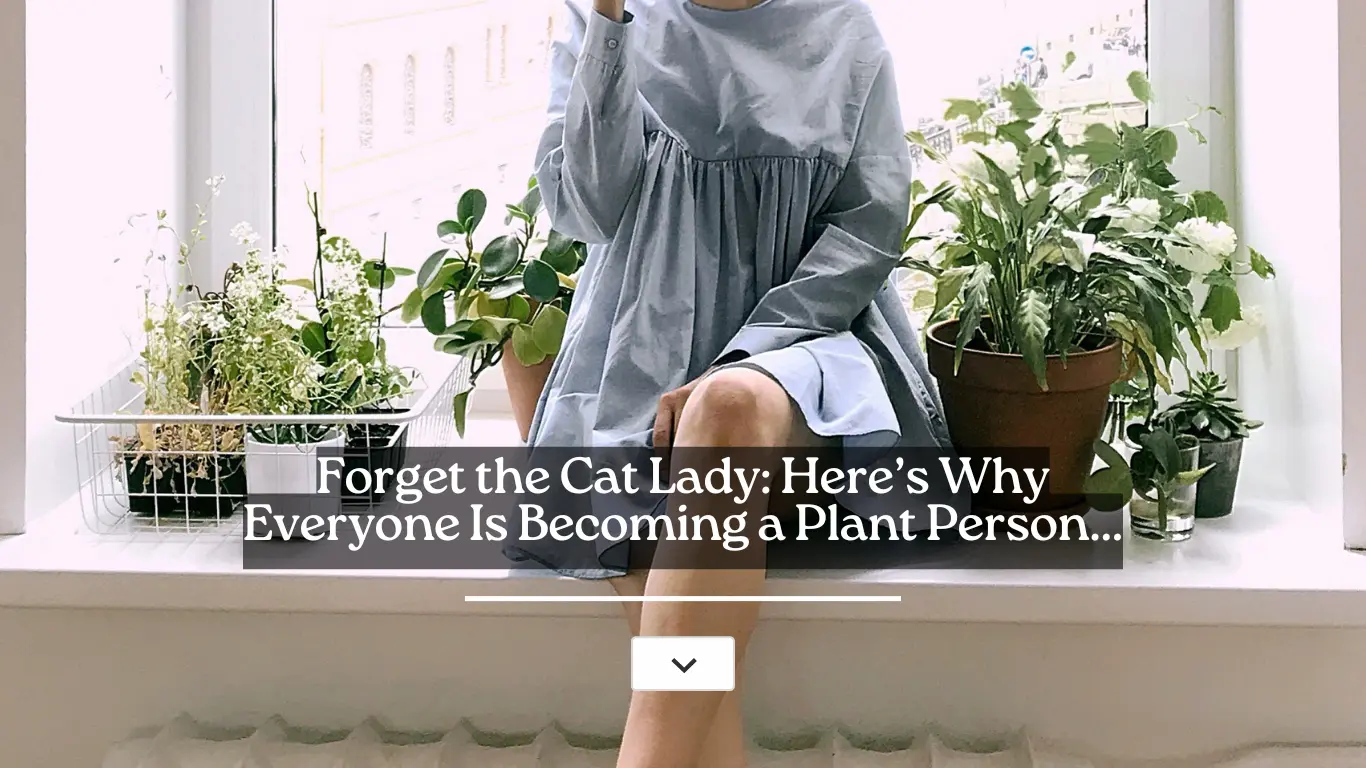
If you’re not yet a plant person, don’t beat yourself up about it. The truth is, most of us buy plants for their decorative qualities – the way they brighten a room, soften a corner or make it feel less sterile or stuffy.
It turns out that weird friend who talks to her plants may be onto something…
According to growing evidence, plants in the home are a great way to improve health and support wellbeing by creating calmer, more restorative environments. It’s what some designers are calling silent wellness: low-effort elements that subtly support mood, focus, and relaxation throughout the day.
The Rise of Silent Wellness
For a long time, wellness has been associated with fitness routines, supplements, meditation apps, and digital detoxes. But increasingly, people are turning their attention to something much simpler: their environment.
Unlike many traditional wellness trends that require people to do more, silent wellness is about creating environments that work in the background.
As homes have become offices, social spaces, and places of recovery all at once, many are looking for ways to reduce stress without adding another task to their daily routine. At the centre of this movement is an unexpected wellness tool…the humble houseplant.
Rather than relying solely on habits and routines to feel better, people are beginning to ask a different set of questions:
- Does my home help me feel calm?
- Am I constantly overstimulated by my surroundings?
- What changes can I make to create a more restorative space?
There are also several cultural shifts that are driving this trend, including:
- Growing awareness of attention fatigue caused by constant screen exposure
- Increased interest in nervous system regulation and stress management
- The rise of “soft living” and low-sensory interior design
- A move away from high-performance wellness towards recovery-focused lifestyles
Within this context, houseplants are being viewed as more than decorative accessories. They are becoming part of a broader effort to create calmer, more balanced living spaces.

Why Plants Can Have a Calming Effect
Research into the relationship between nature and wellbeing has consistently suggested that exposure to greenery can have positive effects on mental health and stress levels.
According to gardening expert and BBC Gardeners’ World presenter Mark Lane:
“The longer one is exposed to green spaces, the greater the mental health benefits. Looking and caring for greenery helps to protect against mood disorders, depression, neurotic behaviour and stress-related issues.”
While most people associate these benefits with parks, gardens, or time spent outdoors, many are now bringing elements of nature indoors to create what could be described as “micro-nature” environments.
The idea isn’t necessarily to transform a home into a jungle. Instead, it’s about introducing small, living elements that soften a space and create moments of visual calm.
The Best Plants for a Mentally Quieter Home
Different plants contribute to a room in different ways, whether through texture, shape, colour, or simply their presence.
Snake Plant
Known for its upright, structured appearance, the Snake Plant creates a clean, uncluttered look and works particularly well in low-light spaces.
Peace Lily
With its soft leaves and elegant white flowers, the Peace Lily is often chosen for bedrooms and quieter living areas where a sense of calm is the goal.
Aloe Vera
Minimalist and easy to care for, Aloe Vera adds a subtle living presence to kitchens, bathrooms, and high-traffic areas.
Spider Plant
Light, adaptable, and beginner-friendly, Spider Plants can soften harder surfaces and bring life to shelves, desks, and windowsills.
Philodendron
Popular for its trailing foliage, Philodendron helps soften larger spaces and adds a more relaxed feel to modern interiors.
Herbs such as Rosemary and Basil
Practical as well as attractive, indoor herbs add greenery while engaging the senses through scent and everyday use.
Majesty Palm
For those looking to make a statement, a larger plant such as a Majesty Palm introduces height, texture, and gentle movement to a room.
Wellness Through Environment
Perhaps the most interesting aspect of this trend is what it says about the future of wellbeing.
For years, health advice has focused primarily on changing behaviour – sleeping more, exercising regularly, eating better, or spending less time on screens. Those habits still matter. But increasingly, attention is shifting towards the spaces in which those behaviours take place.
Instead of asking only, “How can I reduce stress?” people are also asking, “What in my environment might be contributing to it?”
In that sense, houseplants represent something larger than a design trend. They reflect a growing belief that wellbeing isn’t always something we need to actively pursue. Sometimes it’s something we can quietly build into the spaces where we spend our everyday lives.
As the silent wellness movement continues to grow, the plant-filled home is becoming less of an aesthetic choice and more of a lifestyle one.